On-Chain vs. Off-Chain Lending
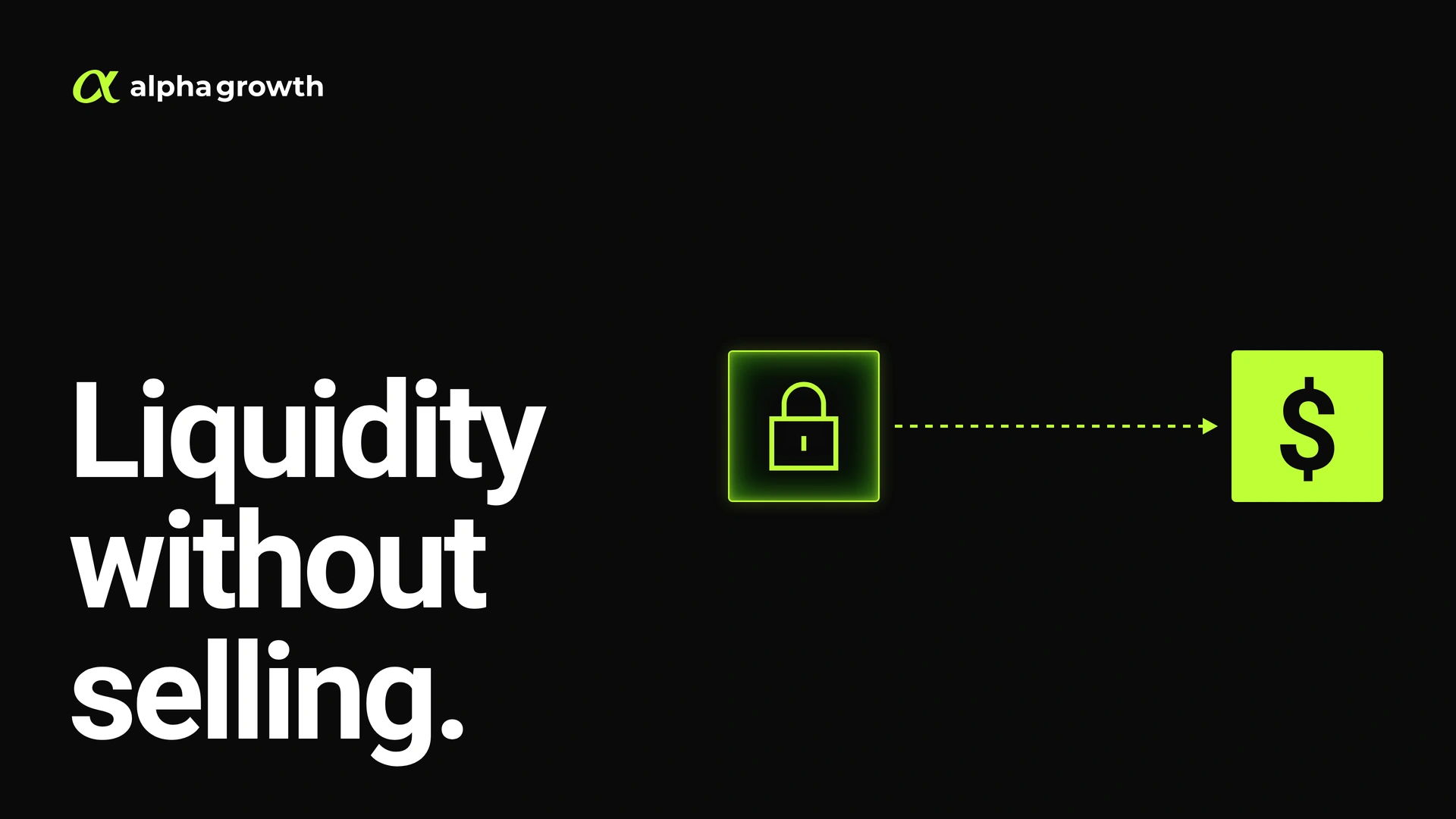
Founders, investment funds, and DAO treasuries holding concentrated token positions can get liquidity without selling by using their tokens as collateral for on-chain or off-chain loans. Borrowing unlocks spendable stablecoins or fiat for operational runway, tax obligations, or new investments while keeping long-term price upside, avoiding open-market price slippage, and preventing negative community signaling.
The Liquidity Dilemma: Why Selling Value Destroys Capital
Holding an eight-figure token balance often comes with an operational contradiction: immense balance-sheet net worth alongside constrained liquid cash flow. When expenses hit operating runway, protocol security audits, legal fees, or new venture investments - liquidating native tokens on the open market creates immediate structural damage:
Market Signaling and Speculative Panic: Open-market sales by core team members, foundations, or known treasury multisigs signal distress or insider exit, triggering sharp sell-offs and social blowback.
Order-Book Depletion and Slippage: On-chain liquidity for non-blue-chip tokens is rarely deep enough to absorb seven-figure market orders without massive downward slippage.
Loss of Upside and Governance Control: Selling permanently surrenders the future compounding value of the protocol and dilutes governance weight.
Immediate Taxable Disposals: In most major jurisdictions, selling crypto assets triggers immediate capital gains liabilities, whereas borrowing against collateral is generally treated as non-taxable debt origination.
Treating tokens as borrowing collateral converts an illiquid asset into spendable working capital without surrendering ownership.
On-Chain vs. Off-Chain Lending: The Structural Comparison
Securing a crypto-backed loan requires choosing between algorithmic decentralized protocols and bilateral institutional credit facilities.
Parameter | On-Chain Lending Protocols | Off-Chain (OTC) Credit Facilities |
|---|---|---|
Primary Counterparty | Decentralized smart contract pools | Institutional credit desks / Private credit funds |
Origination Speed | Instant, permissionless execution | 1–2 weeks (KYC, term sheet, custodial diligence) |
Supported Assets | BTC, ETH, and high-cap liquid tokens | Major assets, long-tail altcoins, & unvested allocations |
Loan-to-Value (LTV) | 50% – 75% (rigid protocol parameters) | 15% – 50% (risk-adjusted based on token depth) |
Liquidation Engine | Instant, automated smart contract sale | Structured margin call grace periods (24–72 hours) |
Custody Setup | Smart contract protocol address | Regulated SEC-compliant qualified custody / Institutional multi-sig |
Collateral Flexibility | Liquid, freely transferable tokens only | Liquid, timelocked, and vesting tokens |
Position Capacity | Best suited for $50K – $2M pools | Built for $5M – $20M+ concentrated positions |
Route 1: On-Chain Lending (DeFi Money Markets)
On-chain markets (such as Aave, Compound, and Morpho) operate as automated credit pools.
The Mechanism: The borrower deposits approved collateral into a protocol smart contract and borrows stablecoins against it up to a maximum Loan-to-Value (LTV) limit.
The Liquidation Mechanism: Programmatic and immediate. If market volatility causes collateral value to breach the liquidation LTV threshold, the smart contract automatically liquidates collateral on public DEXs.
The Constraint: On-chain protocols are strictly limited to highly liquid, publicly traded assets. If your project’s token lacks deep secondary liquidity or is subject to a multi-year vesting lockup, on-chain lending protocols cannot accept it.
Route 2: Off-Chain (OTC) Lending
For concentrated treasury positions (5M–20M+), long-tail tokens, or private investment funds, public DeFi pools cannot absorb the size without creating solvency crises.
The Mechanism: The facility is structured bilaterally with an institutional credit provider or private lending desk. Terms are formalized in a private credit agreement, and collateral is deposited into segregated qualified custody.
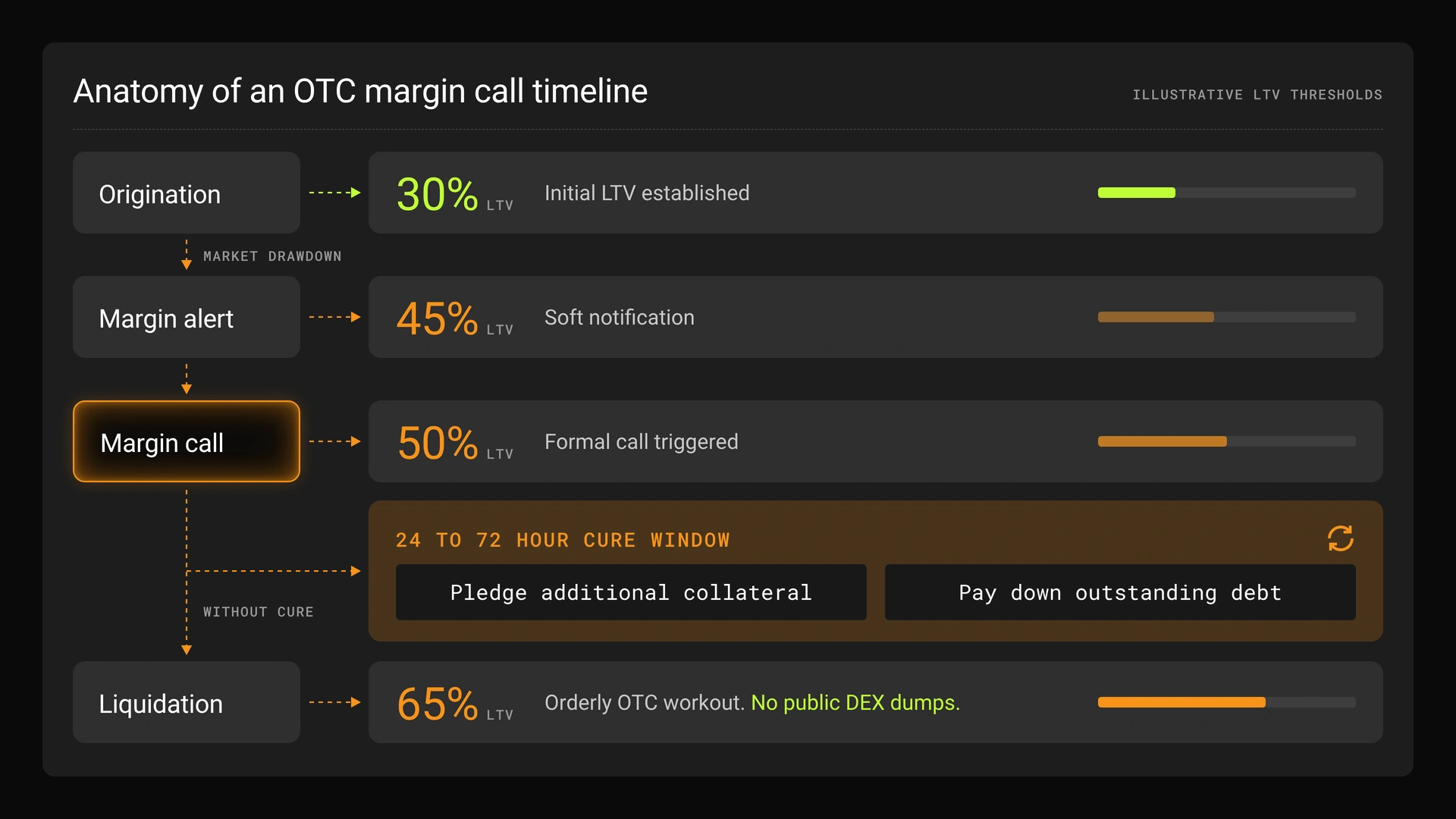
The Liquidation Mechanism: Contractual margin calls. If the asset’s valuation declines, the lender issues a formal margin notice. Borrowers receive a 24- to 72-hour grace period to deposit additional tokens, pledge secondary collateral, or pay down principal before any liquidation action is taken.
What LTV to Expect on Native and Long-Tail Tokens
Loan-to-Value (LTV) measures the ratio of the borrowed capital relative to the market value of the collateral. While Bitcoin and Ethereum frequently command 50% to 70% LTV on CeFi desks and DeFi platforms, native project tokens and altcoins operate under different risk equations:
Blue-Chip Tokens (High Secondary Depth): 50%-65% LTV. The asset can be liquidated rapidly without moving the spot price more than 2-3%.
Mid-Cap & Established Governance Tokens: 30% – 45% LTV. Subject to historical volatility discounts and daily volume haircuts.
Long-Tail Project Tokens: 20%-35% LTV. Structured with conservative initial margins to insulate the credit desk against liquidity drought during broad market downturns.
Locked or Vesting Tokens: 15%-30% LTV. Discounted against the fully diluted valuation (FDV) and duration until the token cliff unlocks.
Conservative LTV ratios protect the borrower. Starting a loan at 25% or 30% LTV creates a massive volatility buffer, requiring a 40%-50% market collapse before a margin call threshold is even touched.
To monitor market-wide lending rates and evaluate how institutional risk curators structure collateral haircuts, borrowers track metrics across Alphagrowth MCP.
Borrowing Against Locked or Vesting Tokens
Founders and early team members frequently hold millions of dollars in unvested tokens governed by smart-contract timelocks or legal vesting agreements. Because standard DeFi money markets cannot seize or sell illiquid lockups, retail platforms reject this collateral entirely.
Institutional credit desks underwrite locked and vesting allocations through specialized private credit structures:
Protocol Cash-Flow Underwriting: The credit committee reviews protocol revenue, treasury balances, token sink efficiency, and runway rather than relying purely on speculative spot pricing.
Escrow Structuring: Unvested tokens are assigned to an institutional custodian or a segregated multi-sig vault, such as Safe. The borrower pledges the right to receive tokens as they vest.
Maturity Alignment: Repayment structures are paired with the vesting schedule. As token tranches unlock, portions can be released to settle principal or interest obligations systematically.
This structure enables founders and core contributors to monetize multi-year vesting packages for personal liquidity or strategic deployment years before their contractual cliffs expire.
Structuring Liquidity: The AlphaGrowth Framework
Underwriting eight-figure loans against native tokens requires the same quantitative discipline and distribution infrastructure used to scale blockchain ecosystems.
AlphaGrowth operates as a single counterparty for protocols and large token holders, structuring credit facilities on-chain and off-chain while aligning liquidity with long-term ecosystem health.
Institutional Counterparty Alignment: Securing institutional-grade credit lines requires connecting with lenders that evaluate tokenomics and collateral depth through standardized risk frameworks, such as Credora's DeFi Rating & Liquidity Methodology
Protecting Market Structure: Whether structuring founder credit facilities, architecting token sinks, or securing institutional LP capital, debt must be engineered so that collateral liquidation never cascades into public order books.
Comprehensive Balance Sheet Solutions: For treasuries and funds that hold concentrated positions but do not require immediate borrowing, AlphaGrowth structures delta-neutral yield vaults such as funding-rate arbitrage and volatility capture, to extract recurring returns without open-market selling
Alphagrowth grows TVL for protocols and chains, and helps large token holders borrow against or earn yield on their holdings.
Need to access non-dilutive liquidity or structure a credit facility against your token holdings?
FAQ: Borrowing Against Crypto Without Selling
How can a founder get liquidity without selling project tokens?
Founders can pledge native tokens as collateral with institutional credit desks or decentralized lending protocols. This provides immediate stablecoin or fiat capital to fund runway or personal expenses while retaining full token ownership, preserving future price upside, and avoiding negative market signaling.
What is the difference between on-chain and off-chain crypto lending?
On-chain lending relies on public smart contracts for instant, permissionless borrowing against liquid tokens, but carries rapid algorithmic liquidation risk. Off-chain lending operates through institutional OTC desks and qualified custodians, providing bespoke LTVs, non-public execution, and 24- to 72-hour margin call grace periods.
Can you get a loan against locked or vesting tokens?
Yes. While retail DeFi protocols cannot accept illiquid collateral, institutional private credit desks can underwrite unvested tokens based on protocol revenue, fully diluted valuation (FDV), and token unlock schedules, assigning the vesting stream to secure the loan.
Who gives large crypto-backed loans to treasuries and funds?
Large loans (5M–20M+) are typically provided by institutional OTC lending desks, digital asset private credit funds, and specialized liquidity operators like AlphaGrowth. These facilities offer customized credit agreements, bespoke LTVs, and institutional custody setups rather than pooled retail smart contracts.
What happens if the token price drops during an off-chain loan?
If the value of your collateral drops to the margin call threshold, the lender issues a formal notice. Unlike on-chain smart contracts that liquidate instantly, off-chain facilities provide a contractually defined grace period (typically 24 to 72 hours) to post supplementary collateral or pay down debt before any liquidation occurs.
Is borrowing against crypto considered a taxable event?
According to the IRS, In most jurisdictions, borrowing against crypto collateral is considered a non-taxable loan origination rather than a taxable disposal, because ownership of the asset is not transferred. However, borrowers should always confirm local tax treatment with qualified legal counsel.
Möchten Sie die neuesten Daten zu Krypto-Finanzierungsrunden?
Teste unseren kostenlosen MCPÄhnliche News
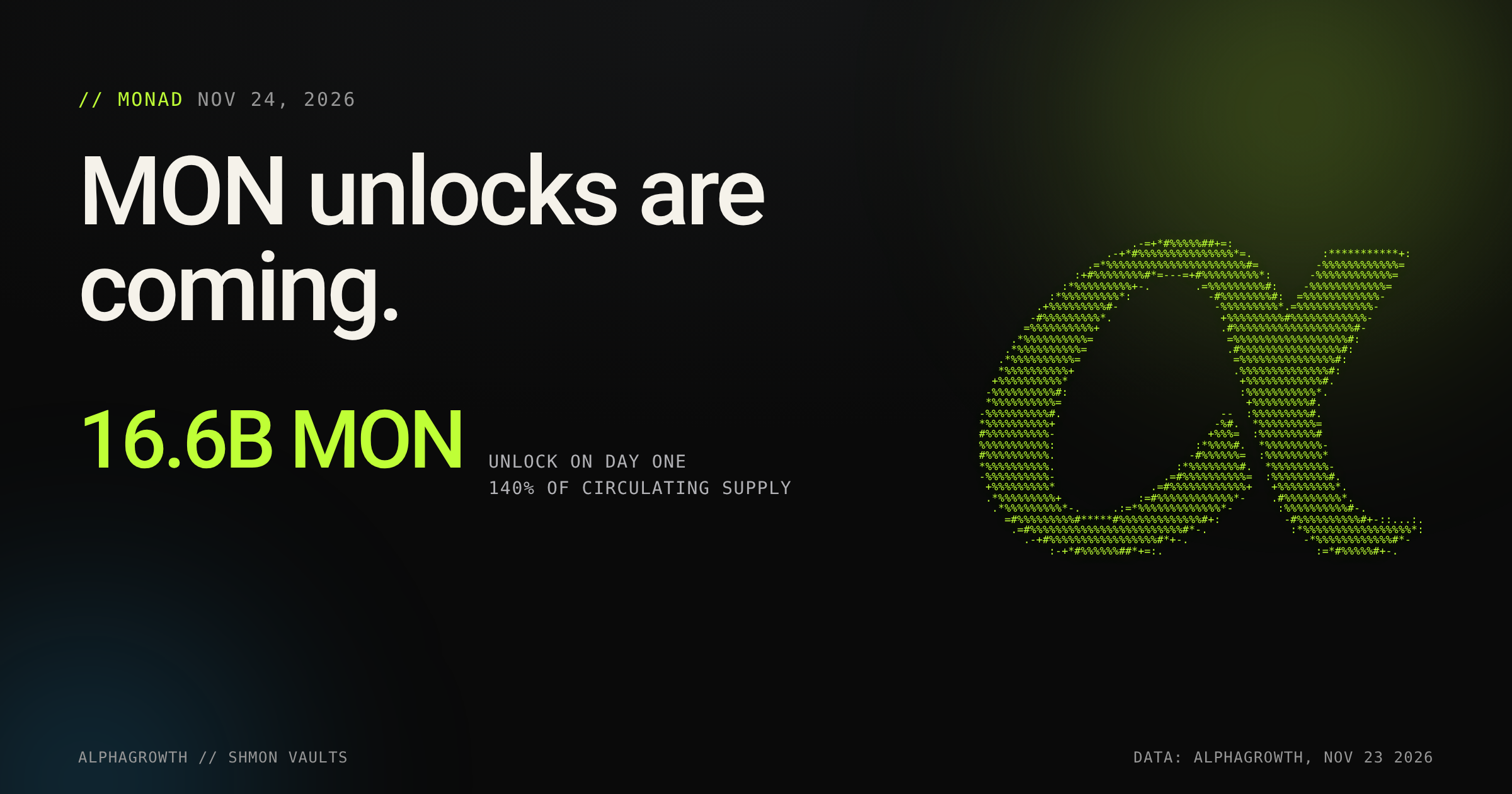
MON unlocks are coming: how to keep earning on your MON

AI Agents vs Vault Curators: Who Should Manage Your Yield?